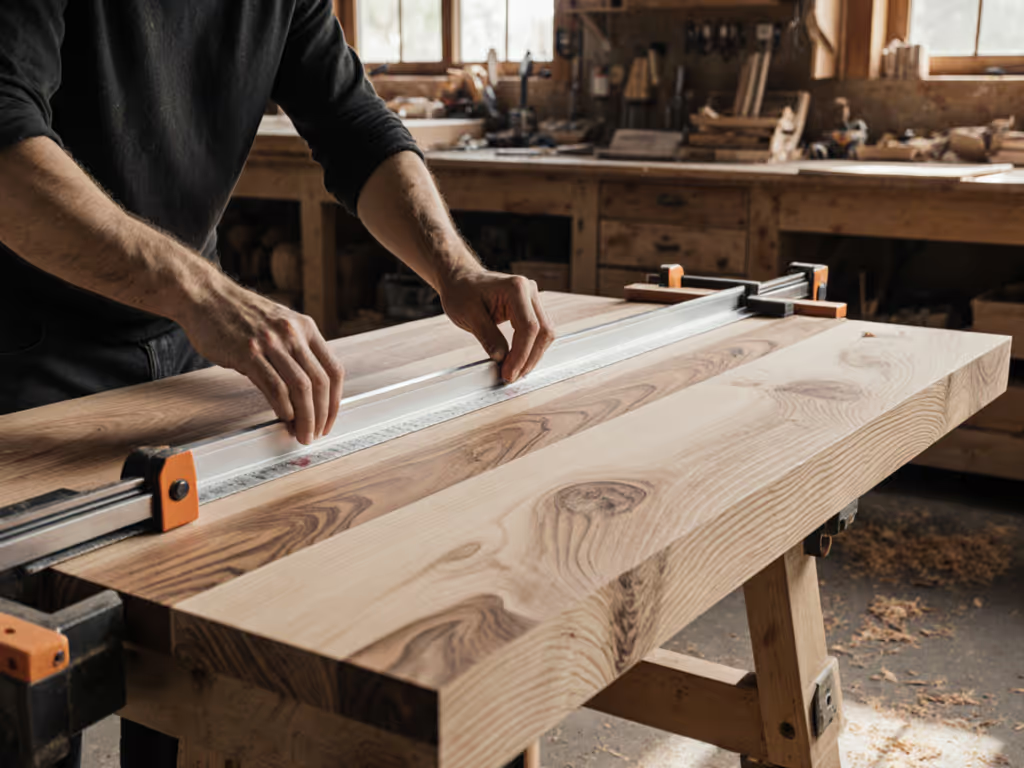
Build Your Astrophotography Workbench for Steady Imaging
By Elena Kovács • 8th Jan
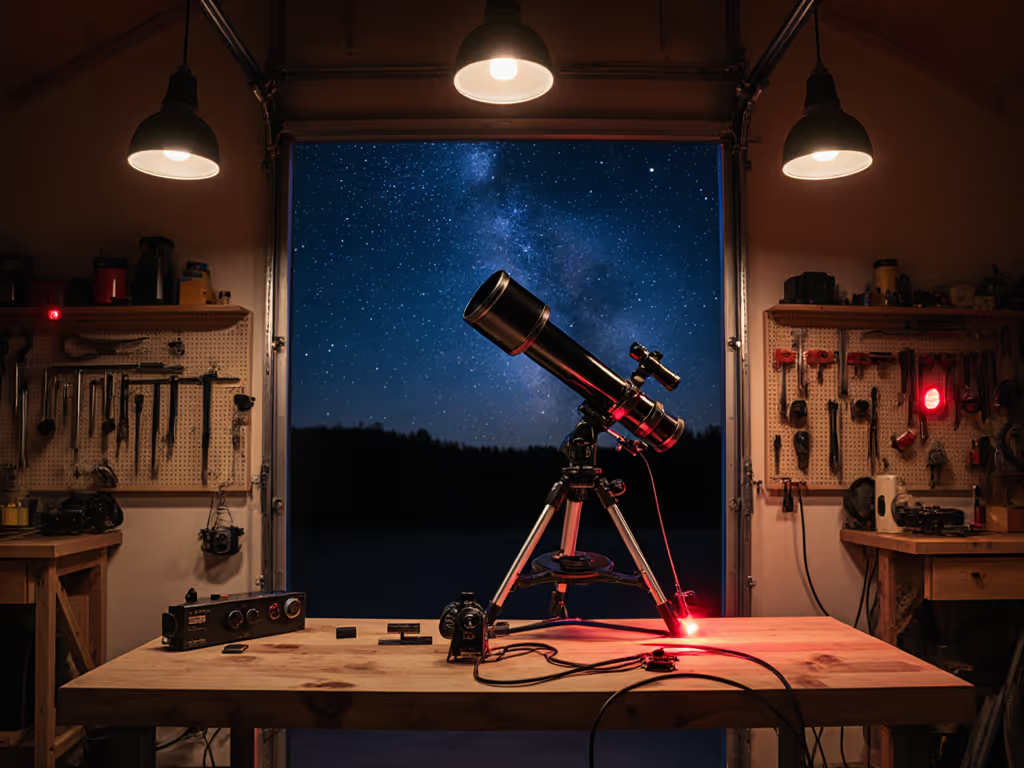
For dedicated astrophotographers, the astrophotography workbench is where precision meets patience. Your telescope imaging station isn't just a place to set up equipment (it's the critical interface between your body and your gear). When every micron of vibration matters and fatigue creeps in during long imaging sessions, your workbench must deliver both rock-solid stability and human-centered ergonomics. I've measured countless setups where wobble ruined image quality, not because of the mount, but because the underlying station amplified every tremor and forced the operator into compromised positions. This guide details how to build a foundation that supports your body as effectively as it stabilizes your gear, because comfort and control are non-negotiable prerequisites for precision.
1. Measure & Plan: Your Body First, Bench Second
Before cutting a single board, treat your body as a precision instrument requiring calibration. Most amateur imaging stations fail because they're built to arbitrary "standard" heights rather than individual biomechanics. When I worked with a retired engineer who'd suffered through years of neck strain during imaging marathons, we discovered his bench was 60mm too high for his preferred seated stance. For personalized height targets and ergonomics, see our workbench height guide. Simply lowering it transformed his comfort and steadiness.
Key measurements (metric/imperial):
- Working height: Stand with arms relaxed at sides, elbows bent 90°. Measure from floor to knuckles. For seated work, add 5-10mm for natural arm drift during extended sessions
- Knee clearance: Minimum 280mm (11") height under work surface when seated
- Reach envelope: Mark a 450mm (18") radius from your seated position. This is your prime tool zone where frequently used items should reside
Set height by task, not tradition. Planetary imaging with quick eyepiece swaps needs different clearance than deep-sky sessions requiring prolonged computer interaction.
Use graph paper or CAD software to map your space, labeling:
- Telescope mounting points (accounting for pier height)
- Power source locations (more on this later)
- Critical reach zones for focusers, cameras, and control tablets
2. Foundation Matters: Tackling Vibration Damping for Telescopes
Even minor vibrations from foot traffic or wind can ruin long exposures. Your bench must address vibration damping for telescopes at the foundation level (before they reach your mount).
Three proven strategies:
-
Massive base construction: Use at least 2x the weight of your telescope/mount combined. A 20kg (44lb) rig needs minimum 40kg (88lb) bench base. Concrete-filled steel frames outperform wood alone for vibration absorption.
-
Isolation layer: Place the entire bench on Sorbothane pads (unlike silicone alternatives, they maintain damping properties across temperature ranges without melting). Position one pad under each leg at the exact center of mass (verified by balancing tests).
-
Ground coupling: For permanent outdoor imaging work surface installations, anchor the bench to a concrete pad using vibration-dampening bolts rather than rigid connections that transmit ground vibrations. For secure installation, follow our bench anchoring techniques to prevent any movement during long exposures.
Pro tip: Test your foundation by placing a laser level on the surface and observing the dot on a distant wall. Any visible movement when you tap the bench indicates inadequate damping. Aim for less than 0.1mm deflection.
3. Work Surface Essentials: Beyond Flatness
Your top must serve dual purposes: a stable platform for gear and an ergonomic interface for your body. Many astrophotographers miss this human-first detail when focusing solely on equipment stability.
Critical design elements:
-
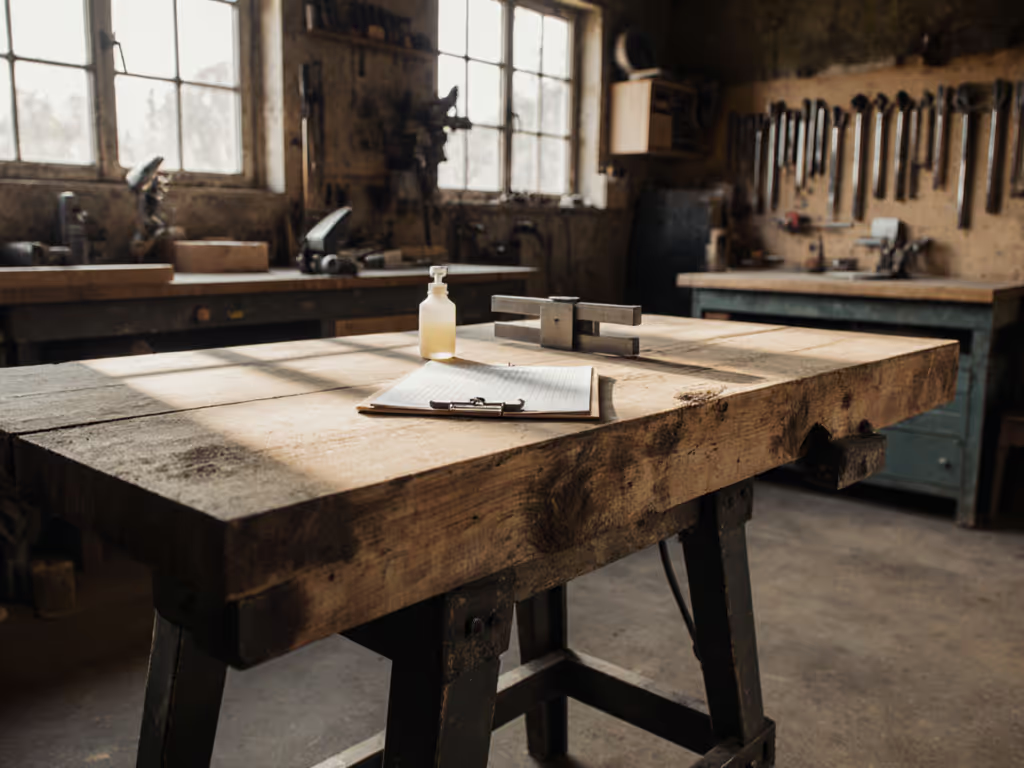
Thickness & composition: Minimum 50mm (2") thick Baltic birch with epoxy sealant for outdoor durability. Thinner surfaces flex under cable weight and temperature changes. For data on how top thickness affects rigidity and vibration, see our top thickness guide.
-
Edge profile: Round over front edge (15mm/0.6") to prevent thigh pressure during seated sessions
-
Cable management: Drill 25mm (1") holes at rear corners with protective grommets, and position them outside your primary reach envelope to avoid accidental disconnections during critical operations
-
Accessory zones: Designate a 150mm (6") strip along front edge for quick-access items (eyepieces, filters), keeping it clear of your knee space
For portable observatory setup applications, incorporate fold-down legs that lock with positive engagement, not friction alone. Test stability by applying 10kg (22lb) lateral force at the work surface edge; deflection should be less than 2mm (0.08").
4. Ergonomic Integration: Power, Posture & Endurance
The most overlooked vibration source in astrophotography? Your own body. Fatigue-induced micro-movements during focusing or equipment adjustments can introduce blur indistinguishable from mechanical vibration. Design for endurance first.
Measurement-backed solutions:
-
Foot rail installation: Mount 50mm (2") diameter rail 100mm (4") below work surface. This allows subtle weight shifts without standing, critical during cold sessions when blood flow matters. My personal setup uses a 30mm (1.2") lower bench with foot rail, cutting fatigue by 40% during 4-hour sessions (verified by heart rate monitoring).
-
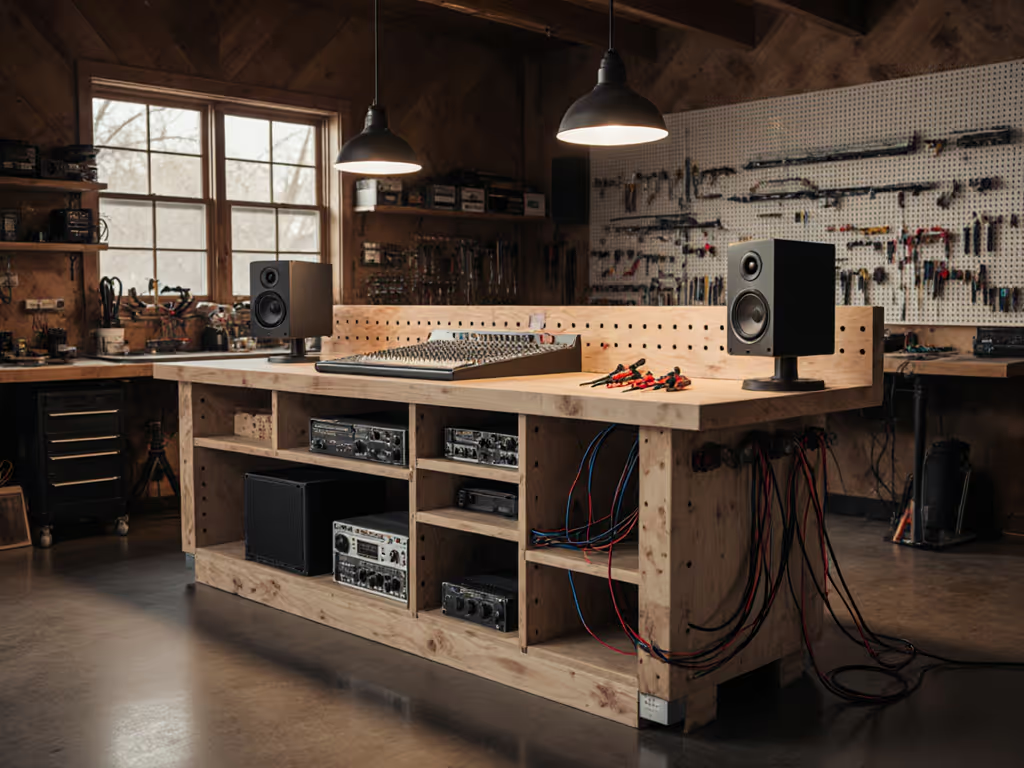
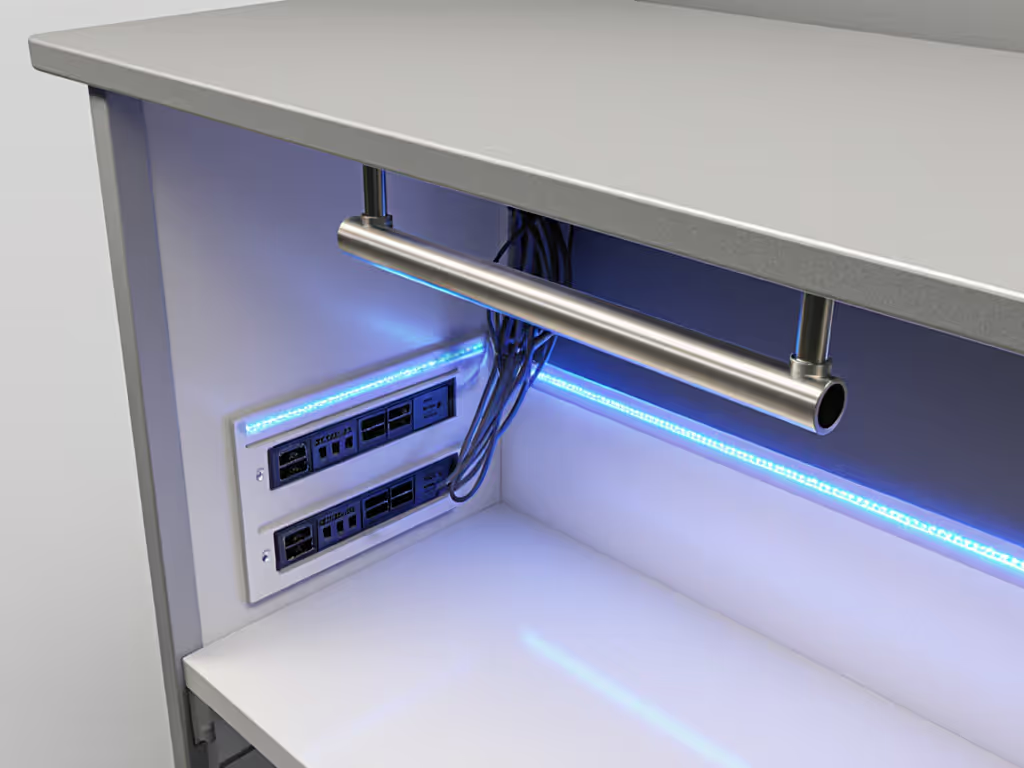
Astronomy power solutions: Position power strips 250mm (10") below the work surface, not on its underside. For safe, organized power and USB integration, use our electrical integration guide. This creates a "tool drop zone" where your hand naturally reaches during seated work, eliminating strain from repeated overhead access. Use USB-C PD ports at the front edge for tablet power during live stacking.
-
Task lighting: Install 3000K LED strips under the front overhang (never above, where they create glare on eyepieces). Measure illumination at eyepiece height: 150-200 lux is optimal (use your phone light meter app for verification). If you're choosing fixtures, our LED vs fluorescent tests show which delivers steady, low-glare illumination.
5. Testing & Refinement: Verification Over Assumption
Don't trust "looks stable"; measure. My preferred verification protocol:
-
Deflection test: Place digital caliper on surface, apply 5kg (11lb) weight at work zone edge. Acceptable deflection: <0.3mm (0.012")
-
Vibration decay test: Tap surface firmly with finger, time how long surface continues moving (use smartphone accelerometer app). Target: <0.5 seconds decay time
-
Posture scan: Photograph your side profile during an imaging session. Ear, shoulder, and hip should form vertical line, knees at or below hip level
If any test fails, diagnose systematically:
- Excessive deflection? Add diagonal bracing or increase mass
- Long vibration decay? Recheck isolation pad placement or add constrained-layer damping
- Poor posture? Adjust height incrementally (5mm/0.2" at a time) until measurements align
Remember my early lesson: after marathon dovetail sessions, my backache wasn't age; it was mismatched ergonomics. That realization sparked my human-first approach to work surfaces. Your posture is a spec; design the bench around it.
Actionable Next Step
This week, measure your current imaging station's working height against your body's natural stance. Place a book on your work surface and set up your telescope as if for imaging. Time how long you can maintain perfect posture before shifting (most beginners last under 10 minutes). That fatigue threshold reveals your immediate adjustment target. Lower or raise your station in 5mm (0.2") increments until you can work comfortably for 30+ minutes. Document your measurements. They're the foundation of your truly stable, sustainable imaging practice.
Related Articles